
What is Minimally Invasive Surgery?
Advancements in surgical techniques have significantly improved modern medical treatments. One widely adopted and highly effective approach is Minimally Invasive Surgery (MIS). This technique focuses on performing surgical procedures through smaller incisions while minimizing damage to surrounding tissues.
During the procedure, specialized surgical instruments and precise treatment planning by medical specialists are utilized. The goal of this technique is to reduce surgical trauma to the patient, allowing for faster recovery, less postoperative pain, and a lower risk of complications after surgery. As a result, minimally invasive surgery has become an excellent option for patients who seek quicker recovery and improved quality of life following surgical treatment.
Recovery After Surgery
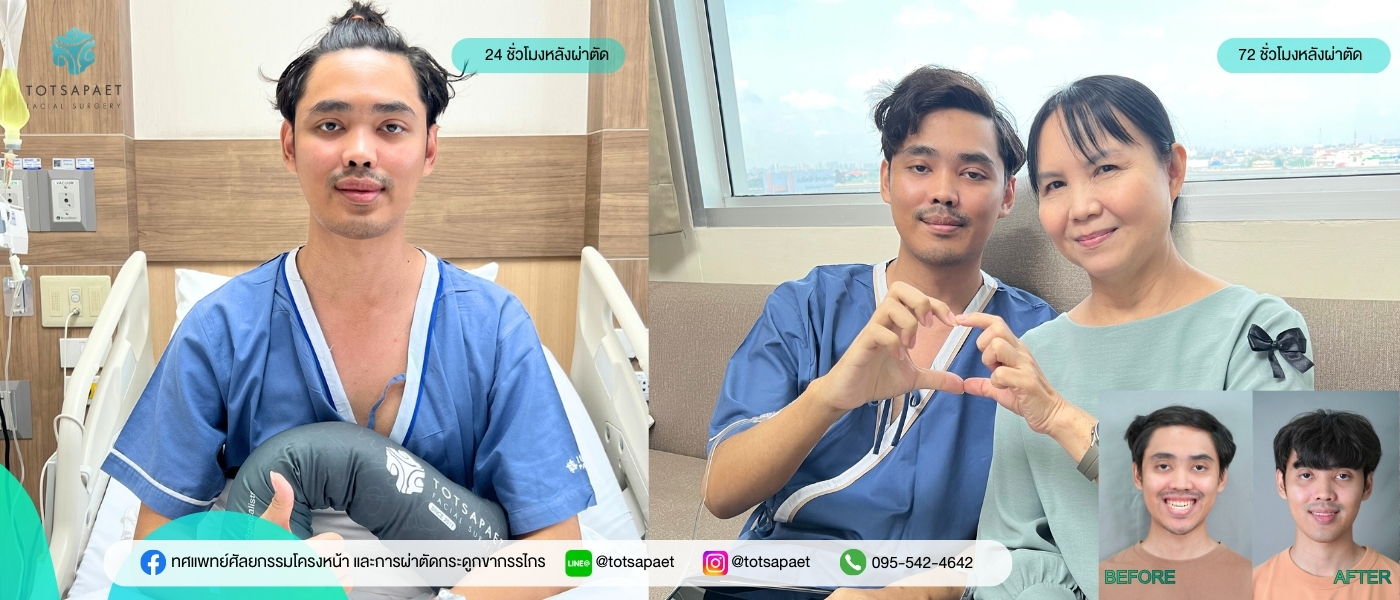
Recovery after Minimally Invasive Surgery is generally faster compared to conventional surgical techniques. Most patients are able to resume light daily activities within a few days to one week after the procedure.
Following postoperative care instructions provided by the physician is essential for proper recovery. Patients are advised to maintain an appropriate diet, get adequate rest, and carefully follow all postoperative instructions. Attending all scheduled follow-up appointments is also important to ensure proper healing and monitor recovery progress.
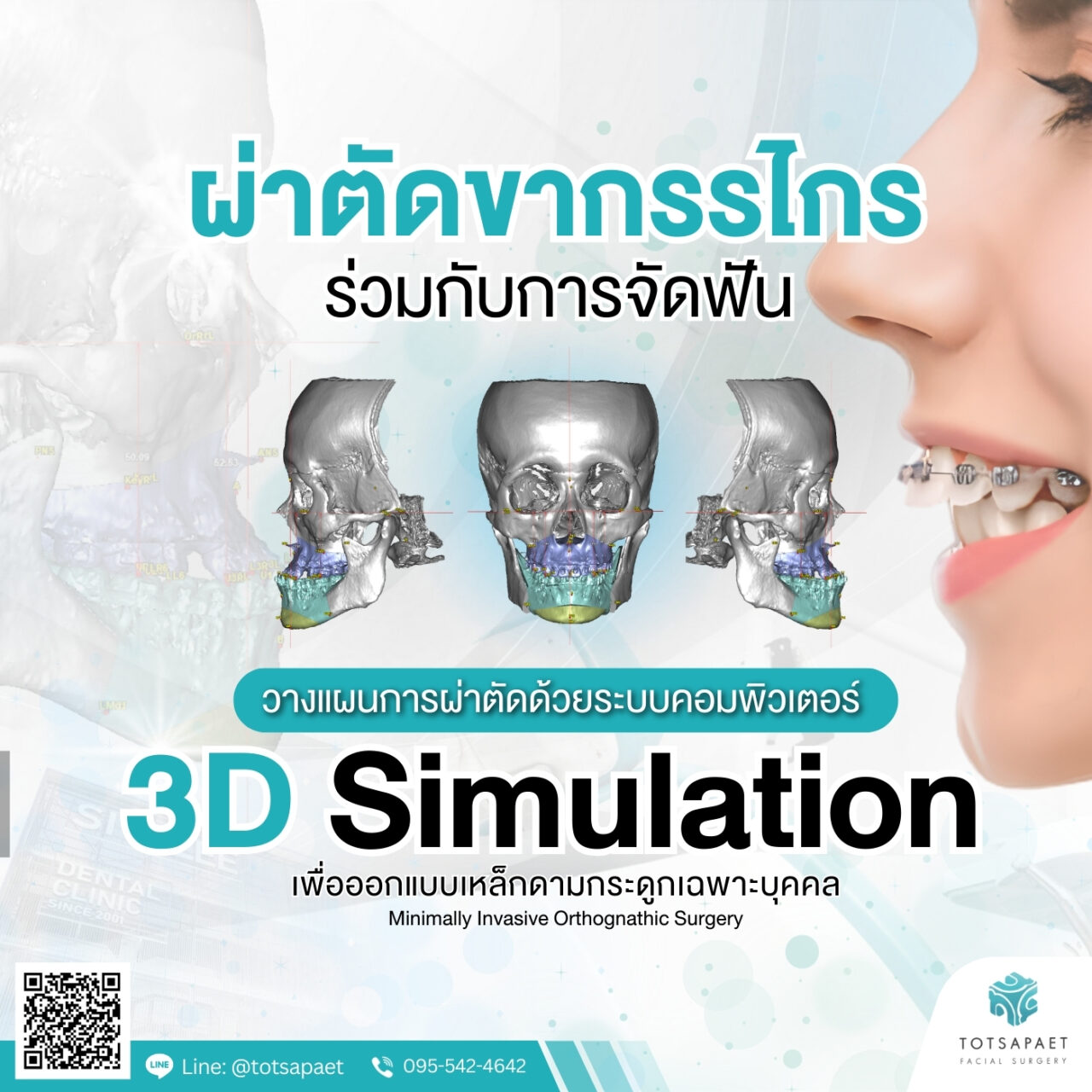
Minimally Invasive Orthognathic Surgery Technique
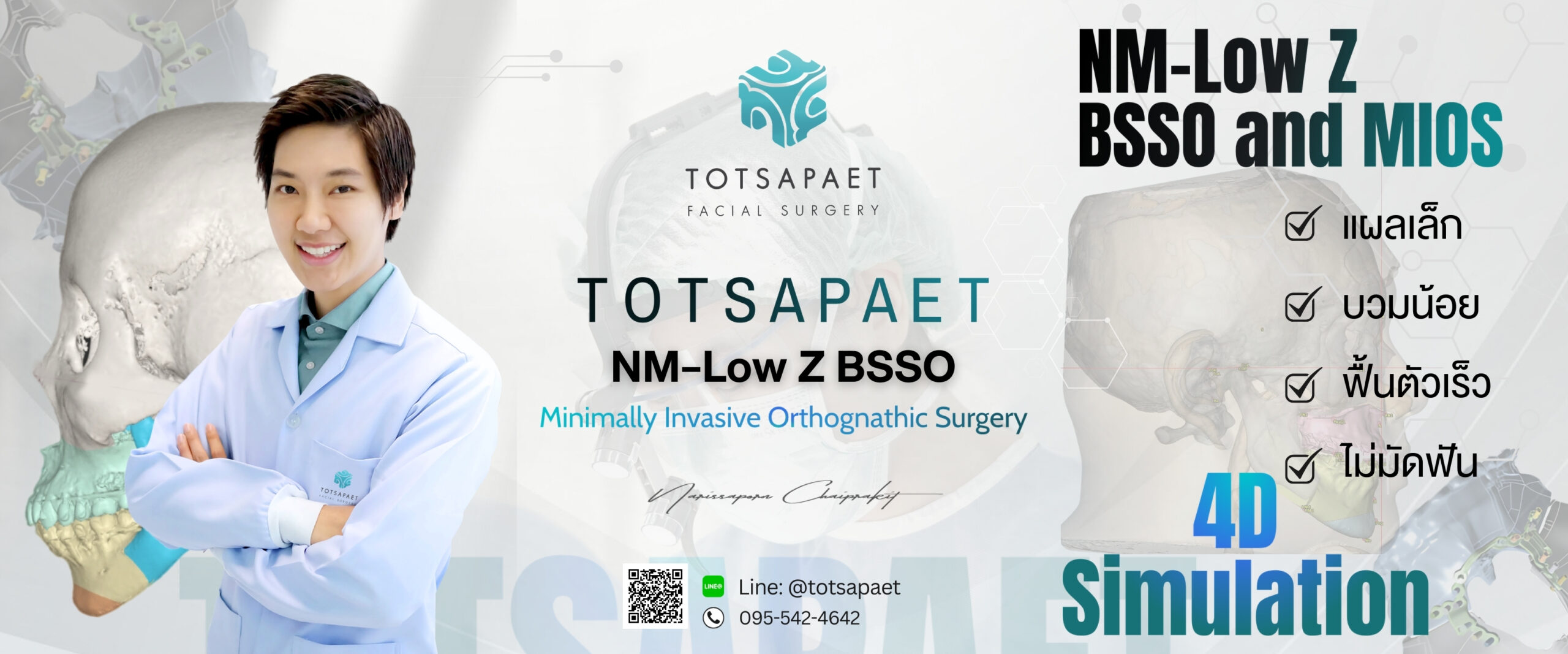
Minimally Invasive Orthognathic Surgery is a jaw surgery technique performed in combination with orthodontic treatment using a small-incision approach. This technique incorporates the NM-Low Z BSSO technique, which allows greater movement of the lower jaw when necessary.
This approach is particularly beneficial in cases where repositioning of the lower jaw is required to correct bite alignment. By properly repositioning the jaw, the technique helps restore facial symmetry and improves functional occlusion. It also helps reduce the risk of relapse caused by muscle tension pulling the jaw back toward its original position.
Advantages of Minimally Invasive Orthognathic Surgery
- Smaller surgical incisions
- Less postoperative pain compared to traditional surgery
- Reduced swelling and bruising
- Faster recovery and earlier return to daily activities
- Reduced blood loss during surgery
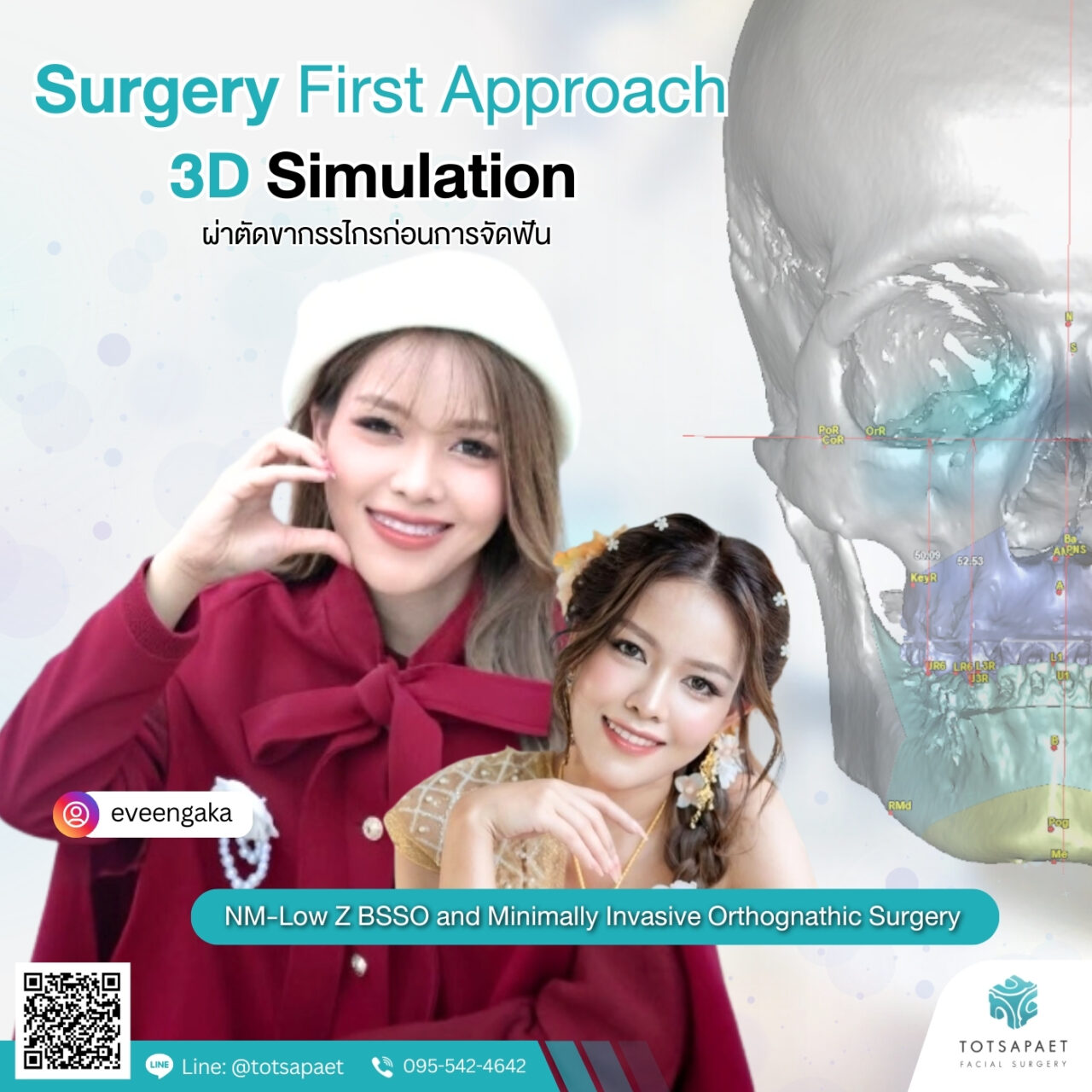
- High precision using 3D simulation technology and 3D-printed surgical guides
- Enhanced safety in jaw repositioning and facial correction through the NM-Low Z BSSO technique