
Oral and Maxillofacial Surgery for Facial Structure and Jaw Correction
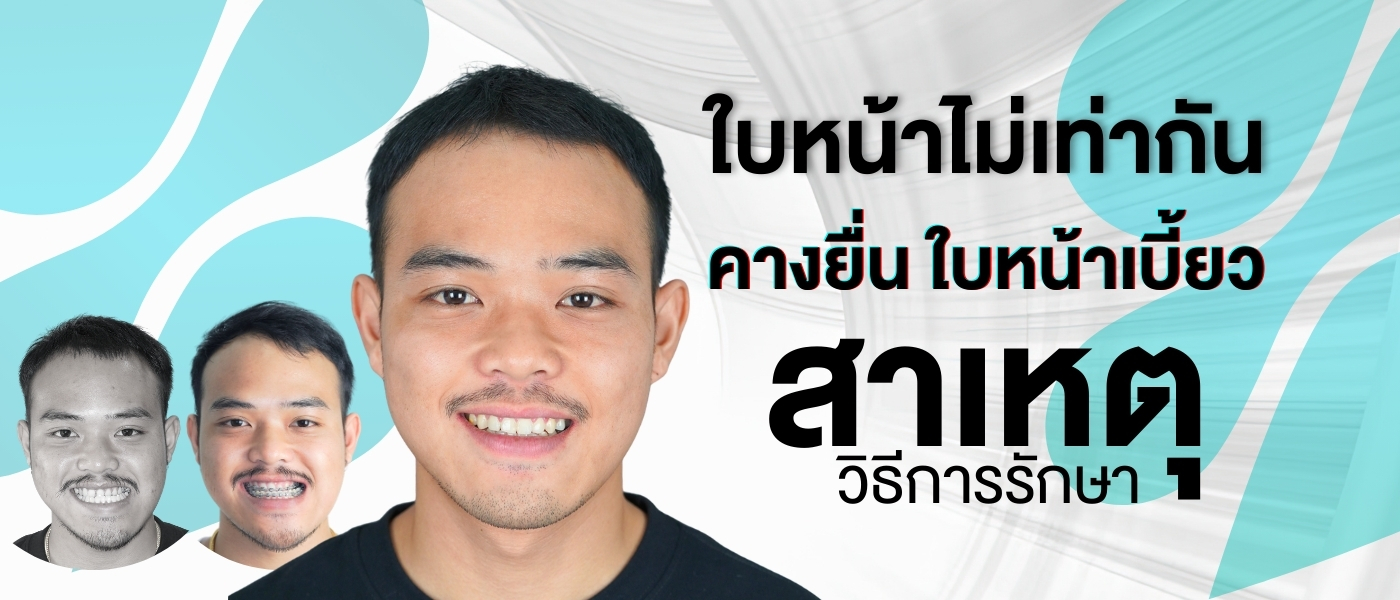
Oral and Maxillofacial Surgery is a specialized surgical procedure aimed at correcting abnormalities of the facial skeleton and jawbones to restore facial harmony, functional occlusion, and overall quality of life.
This treatment is recommended for individuals with dentofacial deformities such as maxillary protrusion, lip protrusion, prominent upper incisors, excessive gingival display (gummy smile), short chin, mandibular prognathism (protruding lower jaw), elongated chin, vertical facial asymmetry, prominent cheekbones, or significant facial asymmetry where the lower face deviates noticeably to one side.
These conditions may affect both facial aesthetics and the function of the masticatory system. Accurate diagnosis and comprehensive treatment planning by an experienced oral and maxillofacial surgeon are essential to achieve optimal functional and aesthetic outcomes.
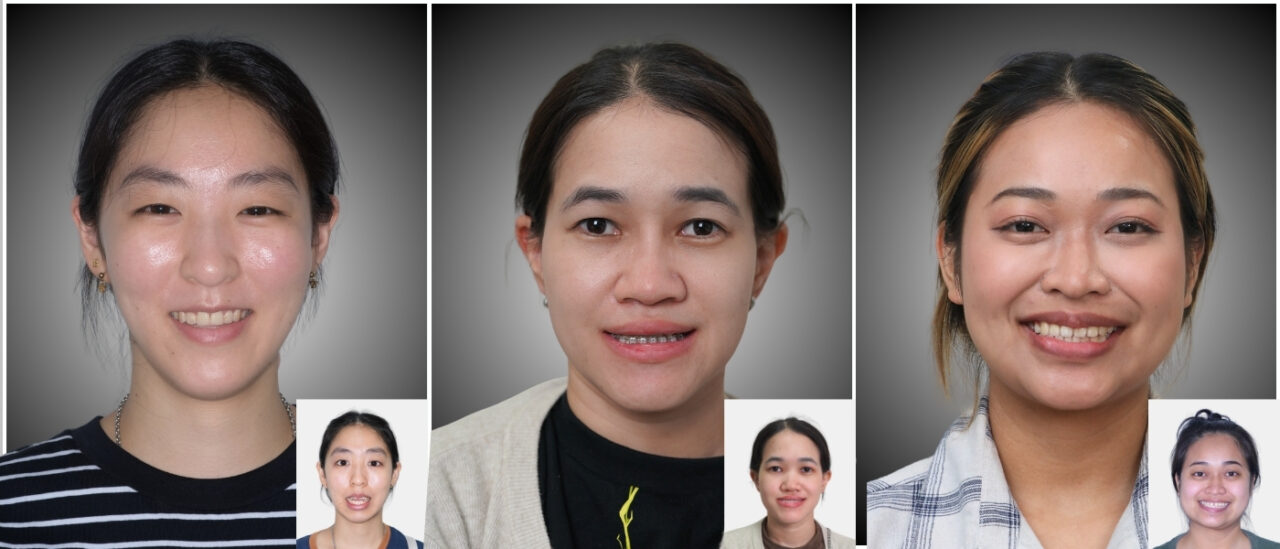
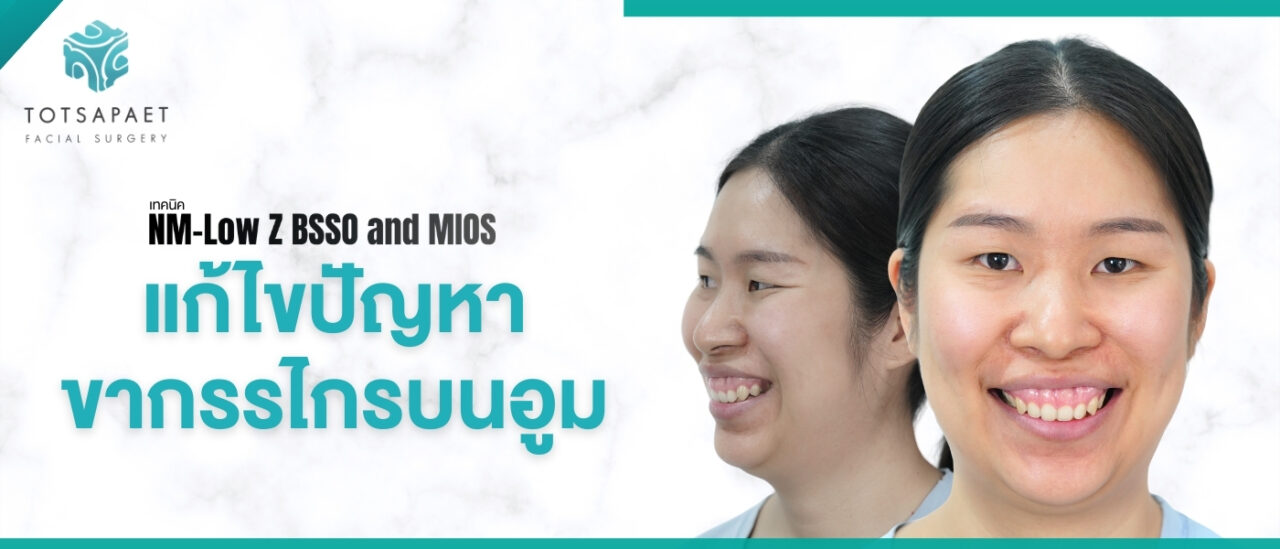
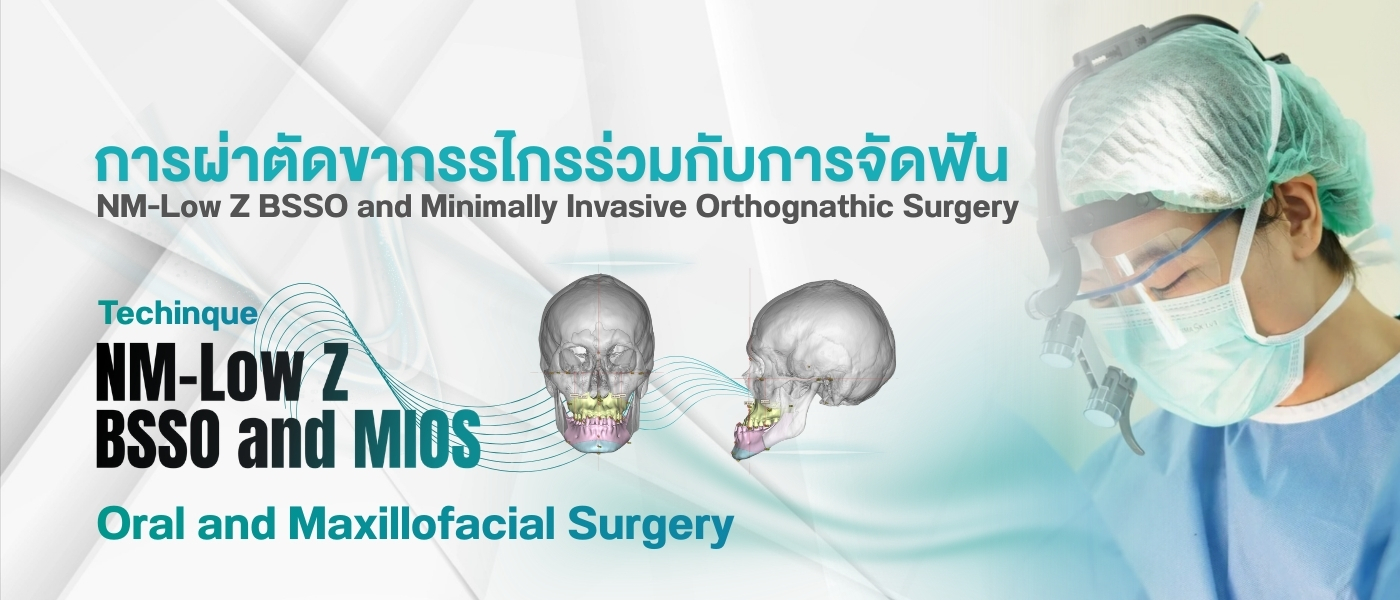
Orthognathic Surgery Combined with Orthodontic Treatment
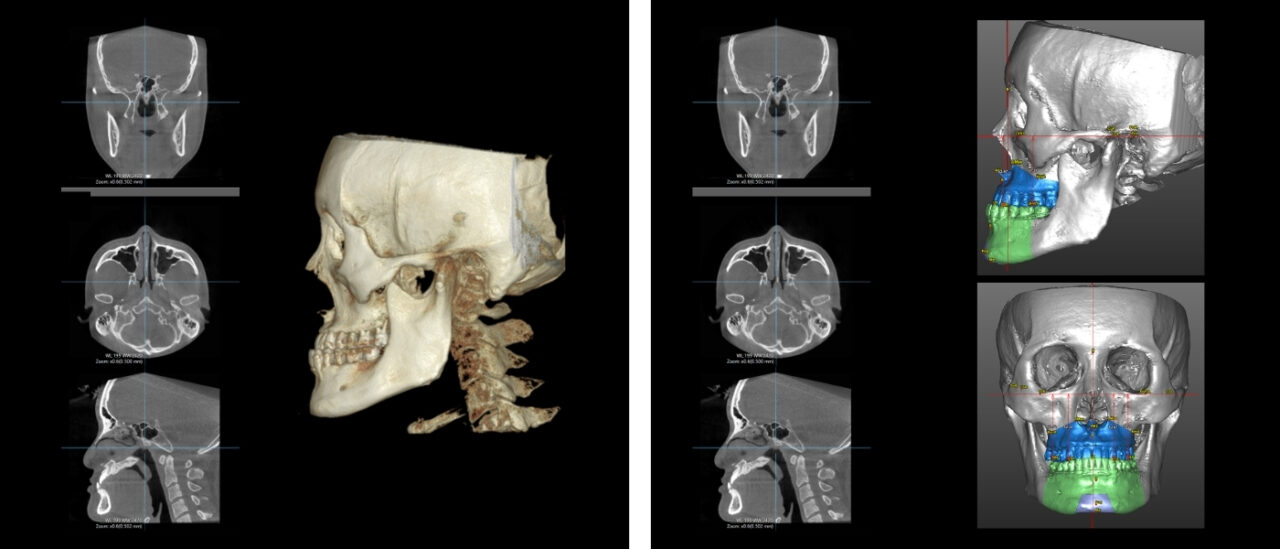
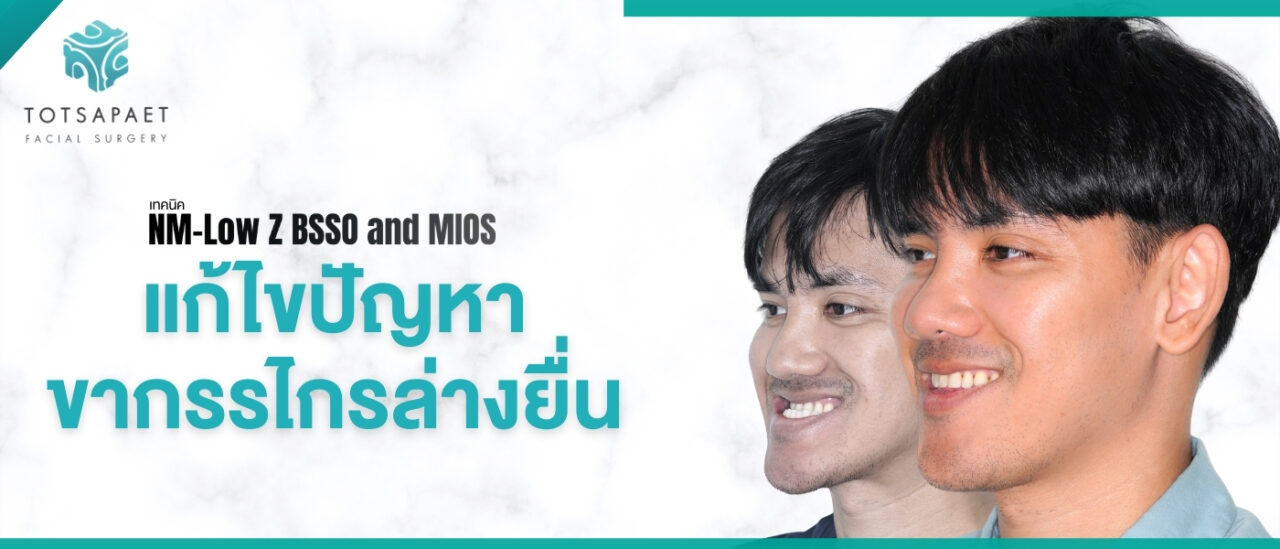
Orthognathic surgery is performed to correct skeletal discrepancies of the jaws and facial structure in combination with orthodontic treatment to achieve proper dental alignment and occlusion.
Dentofacial abnormalities often develop during the growth period. In many cases, orthodontic treatment alone cannot fully correct skeletal discrepancies of the jaws. Therefore, surgical repositioning of the jawbones is required to achieve optimal functional and aesthetic results.
Indications for Treatment
Orthognathic surgery may be recommended for patients with the following conditions:
Facial Appearance
- Mandibular prognathism (lower teeth positioned in front of upper teeth)
- Short or retruded chin
- Lip protrusion
- Excessive gingival display when smiling (gummy smile)
- Facial asymmetry or facial deformity
Functional Problems
- Malocclusion or improper bite alignment
- Difficulty chewing or inefficient mastication
- Speech difficulties related to jaw alignment
Sleep-Related Disorders
- Snoring
- Obstructive Sleep Apnea (OSA)
Temporomandibular Joint Disorders
- Temporomandibular Joint Disorder (TMJ Disorder), which may cause pain and dysfunction in the jaw joint
Facial Trauma
- Patients who have sustained severe facial injuries resulting in fractures of the facial bones
Why Orthodontic Treatment and Jaw Surgery Are Combined
Many dentofacial deformities occur due to disproportionate growth between the maxilla (upper jaw) and mandible (lower jaw).
Orthodontic treatment helps align the teeth into proper positions, while orthognathic surgery repositions the jawbones to achieve skeletal balance. The combination of both treatments allows for improved facial symmetry, functional occlusion, and optimal jaw function.
Treatment Options Depending on Severity
- Orthodontic Treatment Alone
This option is appropriate for cases in which the primary problem is dental alignment, and the underlying jawbone structure is relatively normal.
- Orthodontic Treatment Combined with Orthognathic Surgery
This approach is recommended when the underlying cause is a clear skeletal discrepancy of the jawbones. In such cases, a coordinated treatment plan involving both orthodontic treatment and jaw surgery is necessary to achieve optimal functional and aesthetic outcomes.
Benefits of Corrective Jaw Surgery
- Improved facial balance and symmetry
- Enhanced bite alignment and more efficient chewing function
- Reduction of temporomandibular joint pain
- Improved confidence and overall facial aesthetics
Facial asymmetry is not solely an aesthetic concern but also closely related to the function of the masticatory system and temporomandibular joints. Accurate diagnosis by a multidisciplinary dental team allows for the development of an appropriate treatment plan, whether through orthodontic treatment alone or in combination with orthognathic surgery, to achieve results that are both functionally effective and aesthetically harmonious in the long term.